Specialized hospital
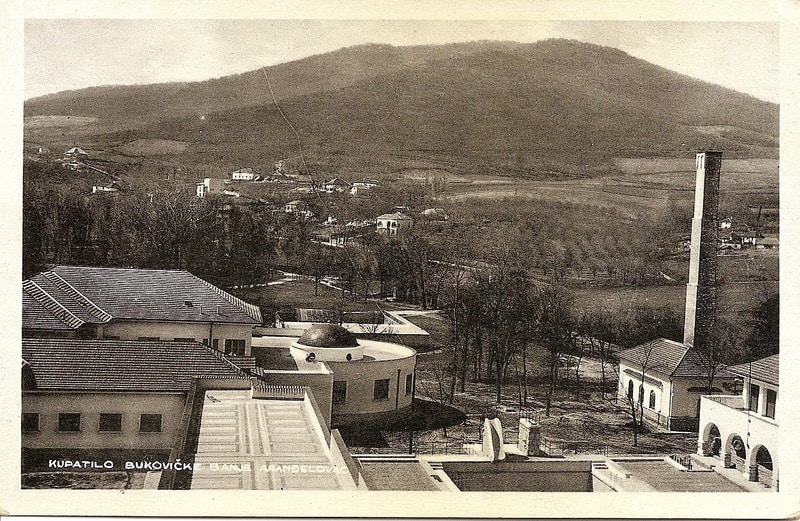
'Specialized Hospital 'Bukovicka banja' Arandjelovac
is the health care institution which provides rehabilitation and treatment, using the most advanced therapeutic methods, applied together with the natural healing mineral waters, clay and climate.
In accordance with their health specialization, the Special Hospital provides preventive, diagnostic and therapeutic services in:
- Physical Medicine and Rehabilitation
- Pediatrics
- Internal Medicine
- Sports medicine
- Laboratory diagnosis

Health services are provided to private parties and policyholders of the Republic Health Insurance Fund (with prescription/referral) as outpatient services in the field of physical medicine and rehabilitation, extended inpatient rehabilitation services in areas of: rheumatic diseases, respiratory diseases and injuries and diseases of the skeletal system, as required by the RFZO Regulations, complete inpatient rehabilitation of children and hospitalization services for children with diabetes.
Work hours:Infirmary- Outpatient services
weekdays from 7:00 AM to 8:00 PM and on Saturdays from 7:00 AM to 2:30 PM.
Within the Special Hospital, there are two wards: the Adult Rehabilitation ward with 70 beds and the Children’s ward with 40 beds, both operating throughout the year.
You can find information about the conditions and methods of booking accommodation here

The Ward for treatment, education and rehabilitation of children and young adults is the only specialized ward in the Republic of Serbia and wider, which provides treatment, rehabilitation and education for children with diabetes.
The Sports Medicine infirmary performs sport-medical pre-competition examinations and testing of athletes, as well as diagnostics, treatment and rehabilitation of sports injuries. Examinations are by appointment only.
This hospital performs its activities in cooperation with referred and respected educational and health institutions.
Special Hospital Bukovička Banja is a scientific and educational base for the Faculty of Medicine in Kragujevac and the College of Vocational Studies in Ćuprija.
We pay special attention to professional and scientific development and the presentation of our work.
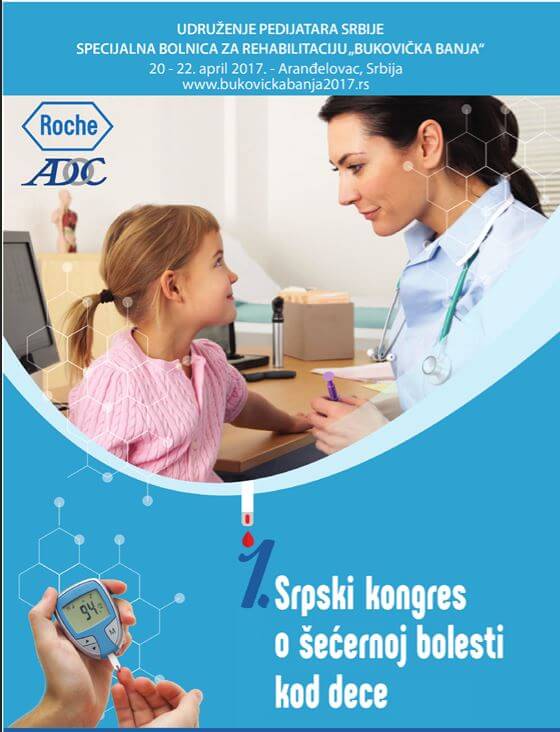
Our experts participate with their presentations at professional gatherings, and we traditionally organize and host conferences on the diagnosis, treatment, and rehabilitation of diabetes in children.

Our long tradition and the quality of services provided have placed us at the very top of Serbian (domestic) physical medicine and rehabilitation. Our team of specialists will examine you and provide their expert opinion on therapies that will restore your body. Medical programs are based on the application of natural healing agents together with modern procedures of physical medicine and rehabilitation. In addition to rehabilitation programs, preventive and recreational programs are also conducted, as well as systematic examinations.
About spa
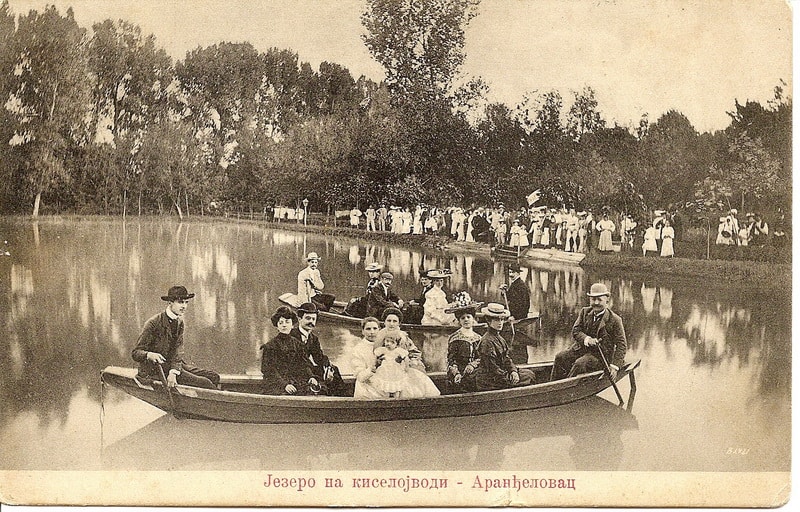
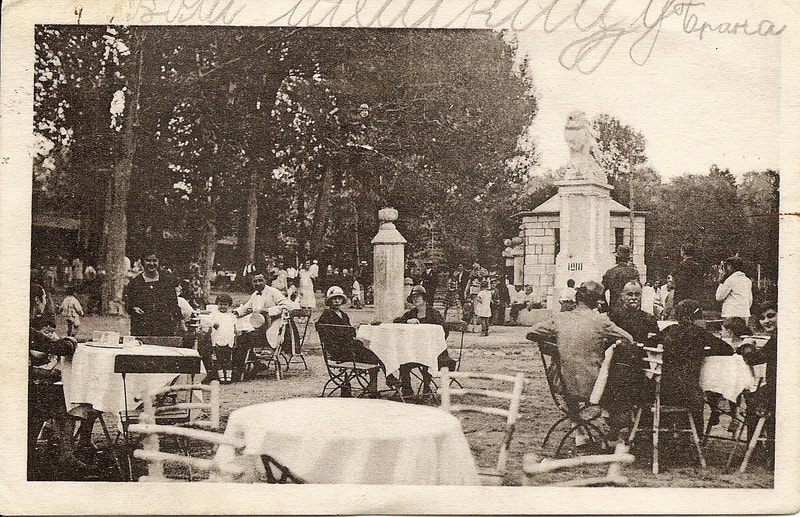
Thanks to its long and rich history and being the favorite destination of Prince Miloš and the Obrenović dynasty, Bukovička Banja is included in the program “Royal Spas of Serbia”.
Once a fashionable center built after the model of Western European spas, today it is an important rehabilitation center.
Bukovička Banja is a balneoclimatic health resort, where the direct and indirect influence of vegetation, water, and air creates a unique environment favorable for rest, stay, and relaxation, and provides excellent conditions for all forms of recreation and athlete preparation.
First of all, the spa is unique because it is located in one of the oldest and most beautiful preserved city and spa parks in Serbia.

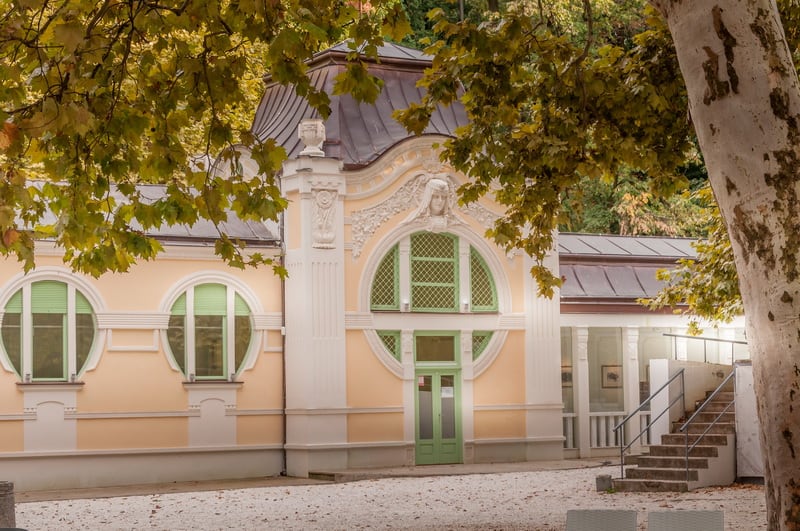
By decree of the Government of the Republic of Serbia, the park has been declared a Natural Monument, and the buildings Staro zdanje and Prince Miloš’s Pavilion (Biveta) are classified as significant cultural heritage and proposed for a status of exceptional importance.
The Park of Bukovička Banja is a unique museum of the largest contemporary open-air sculpture collection, in one material – white Venčac marble, and can be compared to several famous world sculpture parks – Otterlo in the Netherlands or Houston and Fort Worth in Texas.
In addition to four cold mineral water springs with a temperature of 13-14°C, there is also a hypothermal spring with a water temperature of 25°C.
Spring mineral waters differ in temperature, amount of carbonic acid, and concentration of mineral components.
The mineral water is sodium carbonate and calcium bicarbonate, ferruginous and carbonic acid.
With the discovery of the hypothermal spring in 1935, the number of diseases treated in Aranđelovac Spa expanded.
Institucija u kojoj se leče pacijenti u Bukovičkoj banji je Specijalna bolnica za rehabilitaciju “Bukovička banja” Aranđelovac.
Pogodna je za lečenje odraslih i dece, a jedino odeljenje za produženo lečenje, edukaciju i rehabilitaciju dece obolele od oblika šećerne bolesti u Srbiji se nalazi u ovoj ustanovi.
The Special Hospital for treatment and rehabilitation, in addition to mineral water, also uses clay.

History
The beneficial waters of Bukovička Banja were discovered in the area of the village Bukovik, after which the spa itself was named.
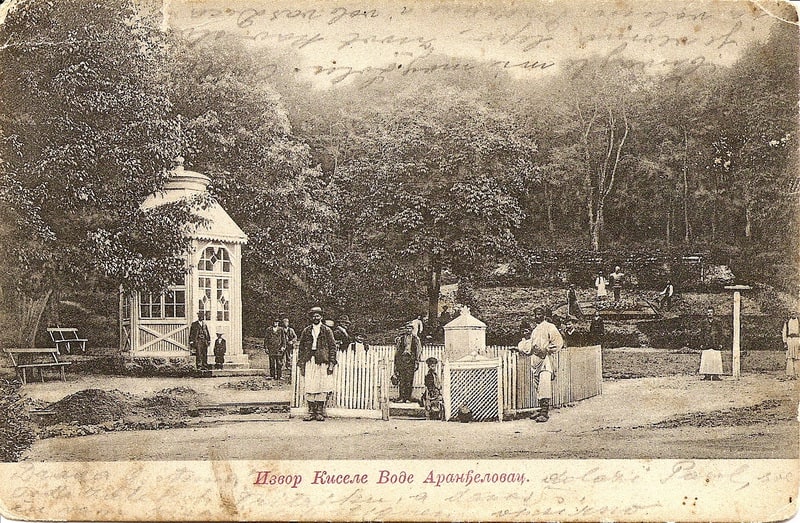
Initially, only locals, shepherds, and accidental passers-by knew about its healing properties, but as its medicinal qualities quickly spread, the spa became the most valued and visited spa resort and a center of fashionable life in 19th-century Serbia. The first written records of the use of mineral water date back to before 1811. It is reliably known that one of the patients who came to refresh his health at the water spring was the enlightener and writer, Dositej Obradović. The first spring was discovered by chance, during Prince Miloš Obrenović's visit to the village of Vrbica, where a celebration was held (St. Archangel was celebrated, after whom the town is named today).
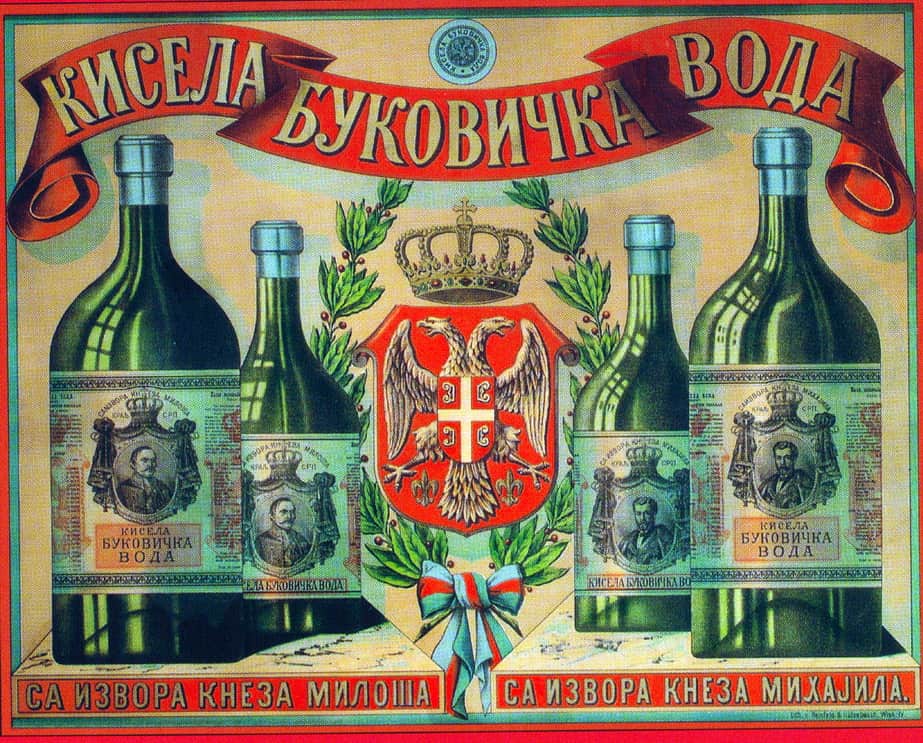
Accompanying Prince Miloš at that time was a prominent doctor whom the locals led to a nearby forest and showed him the "iron water" spring, whose powers they constantly spoke of. When the doctor confirmed what the local villagers had long known, the prince bought the forest with the miraculous spring for two silver pistols and laid the foundations of today's health resort. It became a tradition for water from the spring to be bottled in barrels and bottles as table water and delivered by horse-drawn carriages to various places, and at the request of Prince Miloš Obrenović, the water was also brought to the court.
The year 1836 is considered the year of Bukovička Banja’s establishment, when the area was arranged, buildings were constructed, and the water received its first professional recognition for its healing properties.
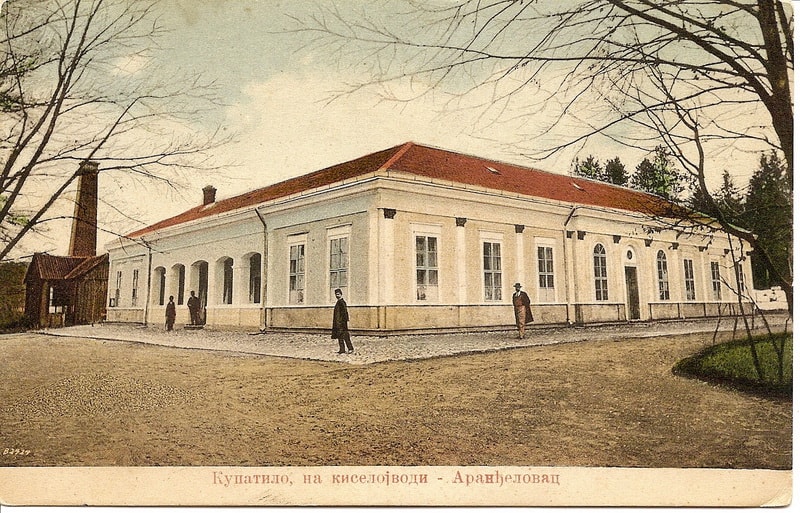
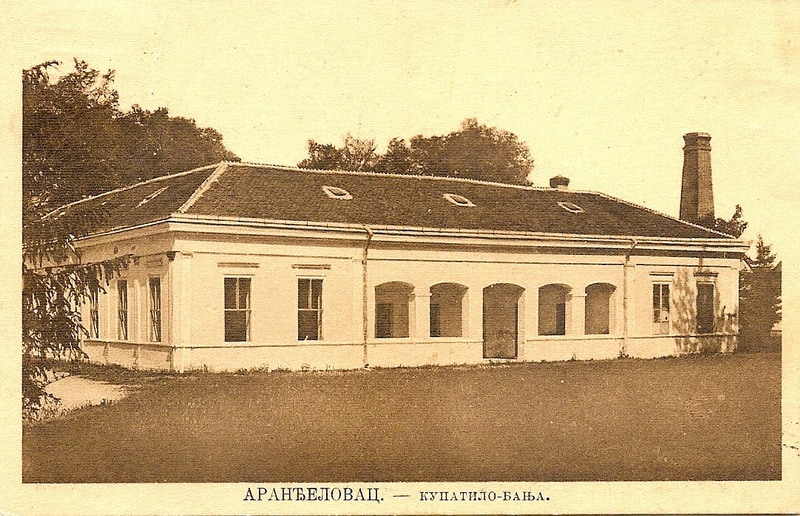
The head of sanitation of the Principality of Serbia, Dr. Lindermajer, was the first to perform a detailed analysis of the water beneath Bukulja and gave it positive reviews in his book “Descriptions of Mineral Waters”. In the same year he performed a quality analysis of the water, Lindermajer brought the first group of patients from Šabac for treatment in Bukovička Banja, and then patients from Ub, Valjevo, Kragujevac, Belgrade, as well as from Pest and Buda, began to arrive. The first wooden bathhouse was called Talpara (plank house). It was roofless, with an in-ground pool lined with planks, after which it was named. This was a cold water pool.
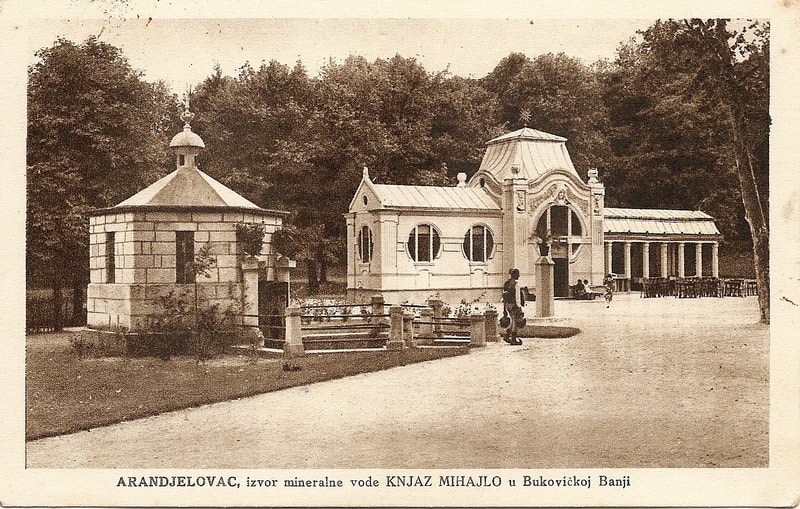
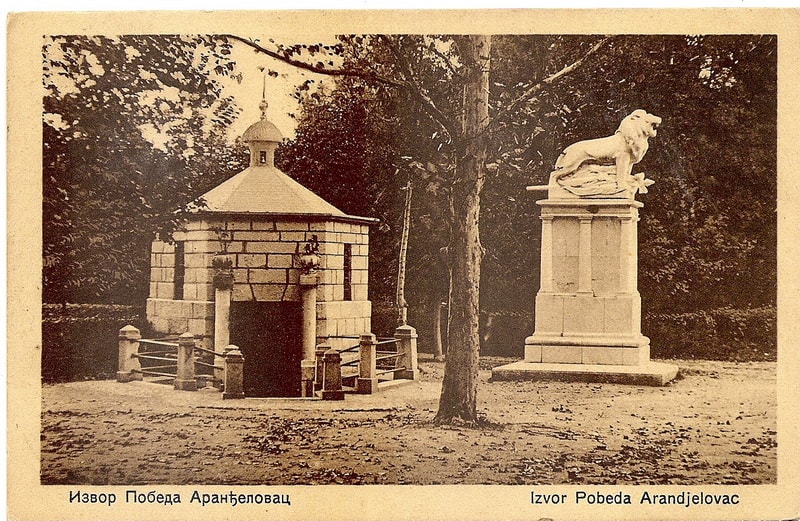
In the first decade of the 20th century, in 1907, the attractive three-part Prince Miloš Pavilion was built above the spring of the same name.
In the central part of the pavilion, there was a spring, in the northern wing, mineral water bottles were filled manually, while the southern wing housed a confectionery.